Ask almost any construction leader what’s keeping them up at night, and workforce challenges will certainly be in the top three (if not the top one).
Most leaders working across projects today are already navigating tight labour markets, ongoing skills gaps, and constant competition for experienced people. What has changed is the sense that these pressures are no longer easing once roles are filled.
For many organizations, hiring is no longer the hardest part. Making the workforce hold together over time is.
When Hiring Doesn’t Relieve the Pressure
In practice, recruitment often brings short-term relief rather than lasting stability.
Teams are scaled up, projects move forward, and delivery pressure is reduced briefly. But without the right conditions around them, those gains can be fragile. Roles reopen sooner than expected. Managers are pulled back into firefighting. Experience and momentum are lost.
This isn’t about effort or intent. It reflects how workforce decisions are often made in construction: close to delivery, under time pressure, and with limited opportunity to step back and look at patterns over time.
As projects become more complex, that reactive model is showing its limits.
Retention Is Shaped Day to Day
Retention is rarely lost because of a single issue. More often, it erodes gradually.
More often, it’s the accumulation of small frustrations: unclear expectations, uneven leadership, limited development conversations, or a lack of visibility around what comes next. When those experiences vary widely from project to project, retention becomes unpredictable.
Most organizations recognise this dynamic. The difficulty lies in addressing it while projects are live and teams are stretched, particularly when responsibility is shared across HR, operations, and project leadership.
Rethinking the Role of Training
Training has always played a role in construction, but it is still frequently shaped by immediate requirements.
Increasingly, workforce leaders are being pushed to think beyond compliance and short-term skills gaps. As delivery models, tools, and project demands evolve, assumptions about how people develop and progress are being tested.
This raises practical questions that don’t sit neatly in any one function:
- Which skills are genuinely critical for the work ahead?
- Where does knowledge sit with individuals rather than the organization?
- How confident are we in our leadership pipeline, not just our technical capability?
These are difficult questions to work through in isolation.
A Workforce Under Shared Pressure
The workforce itself is changing, but the pressure is shared across generations.
Newer professionals are looking for clarity and development. Experienced leaders are balancing increasing responsibility with limited time to rethink how teams are supported. Both are operating within tight delivery constraints.
What’s often missing is not awareness, but the opportunity to compare decisions and approaches with others facing similar conditions so you can understand what’s working elsewhere, and where challenges are more structural than local.
Why Peer Conversation Matters
This is where industry-led forums become valuable.
Not as a source of ready-made answers, but as a way to sharpen judgment and to hear how others are prioritizing, where they are investing, and what they are choosing to deprioritize.
LEAP Talent Development: Construction 2026 is designed to create that space. It brings together HR, talent, and workforce leaders from across construction to share perspective on workforce strategy as it plays out in practise, shaped by real projects, real constraints, and imperfect choices.
Because workforce decisions in construction are rarely about best practice. They are about making sound decisions in complex environments, informed by experience and peer insight.
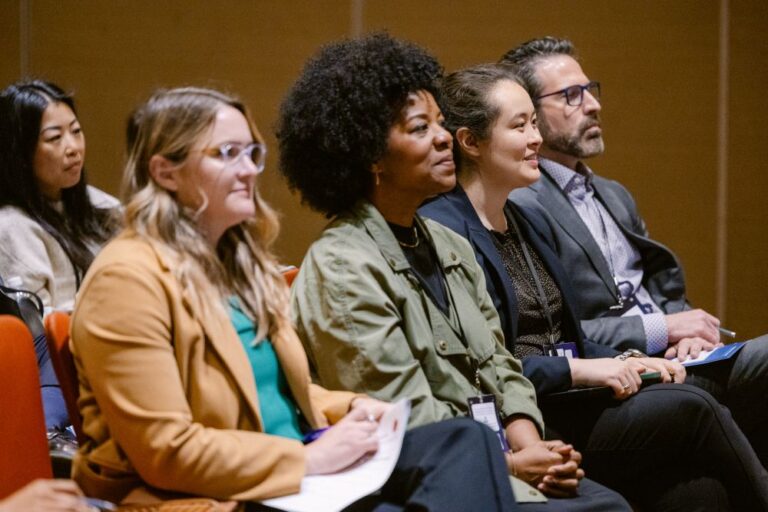
Explore the Agenda
Join construction’s leading L&D innovators to explore how talent development is becoming a true strategic advantage - driving retention, strengthening culture, and building the leadership capability needed to scale.
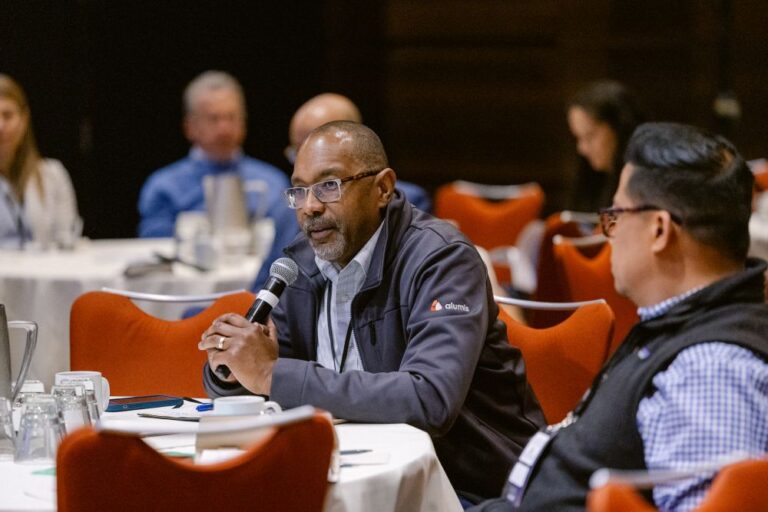
Partner With Us
Stand alongside the organizations redefining learning, leadership, and culture in construction and be seen at the heart of workforce transformation.
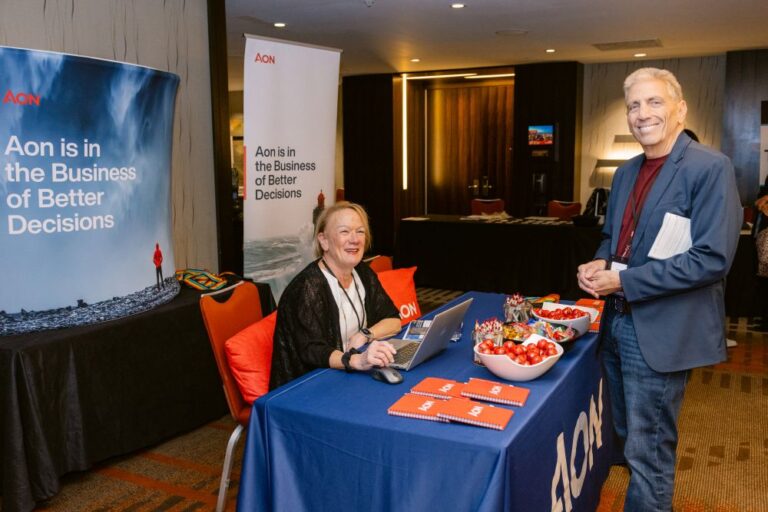
Join Construction L&D Experts
Be part of the conversations shaping the future of learning, leadership, and workforce capability in construction and build meaningful relationships with like-minded peers committed to closing skills gaps for the long term.